Find out what care funding you may be able to get.
Answer a few questions and see which kinds of help may be worth exploring, from Attendance Allowance to NHS Continuing Healthcare. Free, clear, and built for families in England meeting care costs for the first time.
If the NHS finds someone eligible, it pays for the whole care package.
NHS Continuing Healthcare is care arranged and paid for by the NHS, for people whose needs are mainly health needs. Many families believe they will have to sell the house to pay for care. Continuing Healthcare does not look at money at all. The integrated care board (ICB) decides who is eligible.
The whole care package
If the NHS finds the person you care for eligible, it pays for the whole care package, at home or in a care home. In a care home, that includes the fees.
Not means tested
Savings, income and the house do not count. The decision is about care needs, not money.
Asking for a review is a normal step
If the answer is no, you can ask the ICB to look again. This is called local resolution. The general position is six months from the decision letter, but some letters give less time. Work to the date on your own letter.
What the NHS England figures show
2,295
Every quarter, thousands of people in England are found eligible for NHS Continuing Healthcare. Between April and June 2026, 2,295 people were found eligible after a standard assessment. Each decision rests on the evidence in front of the assessors, so it pays to make sure they see all of it.
33,972
At the end of June 2026, the NHS was paying the whole cost of care for 33,972 people in England through Continuing Healthcare.
Over 2,500
Asking the NHS to look again is a normal step. At the end of June 2026, more than 2,500 requests in England were still being worked through. Each one asked the NHS to look again at a Continuing Healthcare decision.
Example: a daughter whose dad has just come home from hospital
This is an example, not a real family.
What they were worried about
Her dad came home from hospital in England after a fall. Overnight he needed help to wash, dress and get up the stairs, and she was driving over before and after work. A neighbour said families often have to sell the house to pay for care. She could not stop thinking about it.
What they did
One evening at the kitchen table, she answered the free Care Funding Guide questions about his situation. She did not need an account to start.
What they came away with
A short list of support that may be worth exploring, such as Attendance Allowance and an NHS Continuing Healthcare checklist, each in plain words. She learned that NHS Continuing Healthcare is not means tested. If the NHS finds someone eligible, it pays for the whole care package, and savings and the house do not count. And a first step: ask the GP or the hospital discharge team whether a checklist had been done. The guide did not tell her what her dad would get. It gave her the right questions.
Example: someone asking about their own care
This is an example, not a real family.
What they were worried about
His care needs had grown slowly over two years, until he could no longer manage on his own. When he was assessed for NHS Continuing Healthcare and told no, the letter felt final. He did not know whether a decision like that could be questioned, and he did not have the energy to find out.
What they did
He worked through the free Care Funding Guide with his decision letter beside him, a few questions at a time.
What they came away with
He learned that a decision like his can be questioned, and the order it happens in: asking the integrated care board to look again, known as local resolution, then an Independent Review Panel if needed. The guide showed him where to find the deadline in his own letter. The general position is six months, but some letters give less time, so the date on his letter is the one to work to. And his next step: ask for a copy of his assessment. The integrated care board still decides.
Example: a son acting for his mum under a Health and Welfare Lasting Power of Attorney
This is an example, not a real family.
What they were worried about
His mum lives in a care home in England, and the fees come out of her savings. Each month he tries not to do the sums. She had been assessed for NHS Continuing Healthcare and the answer was no. He assumed that was the end of it.
What they did
As her attorney, he answered the free Care Funding Guide questions for her, in the car park after a visit.
What they came away with
An understanding that the decision may be worth questioning, and the route: local resolution with the integrated care board, then an Independent Review Panel. That Continuing Healthcare is not means tested, and that if the NHS finds someone eligible, it pays the care home fees in full. Where to find the deadline in her decision letter, and that the date on that letter is the one to work to. Which records are worth gathering, such as care notes, medication records and falls logs. And one next step: ask the care home for her recent notes. None of it says what she will get. The integrated care board decides.
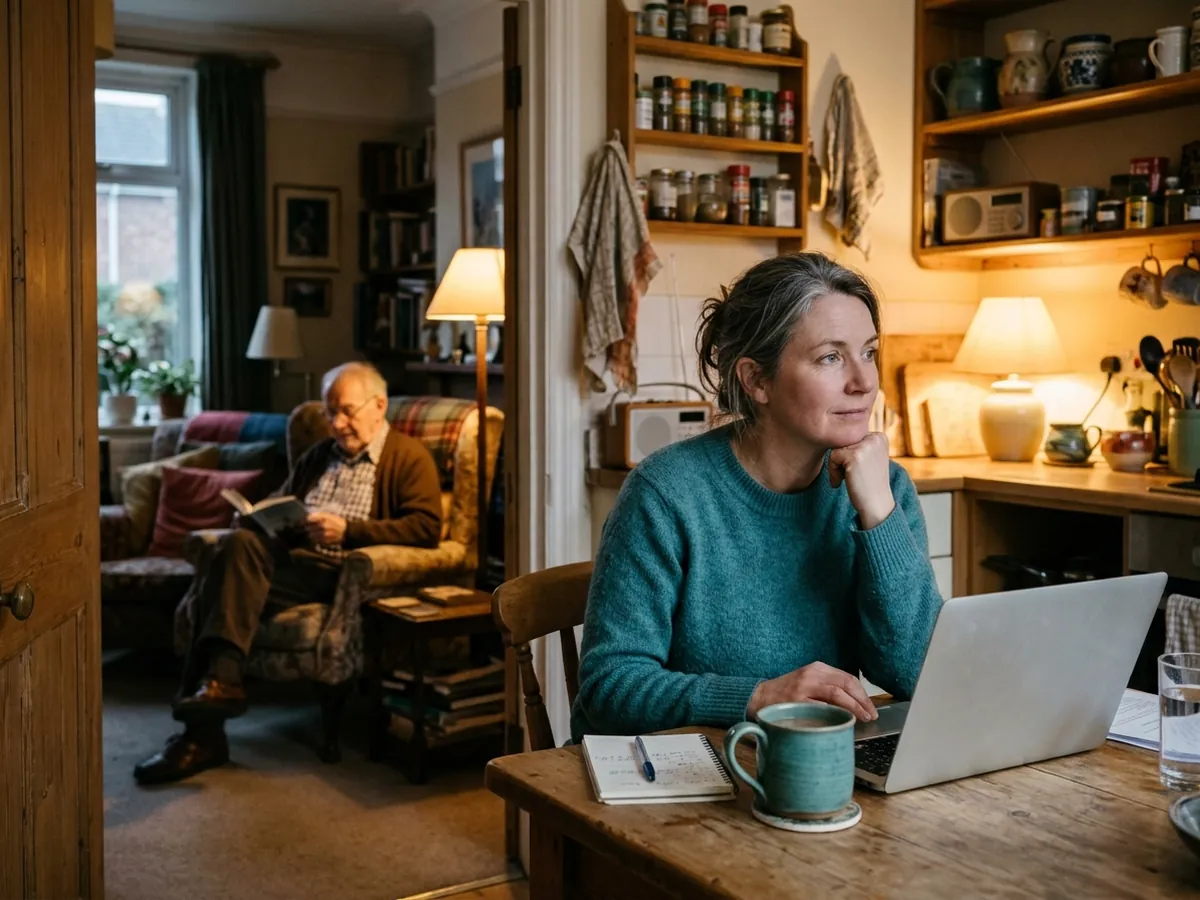
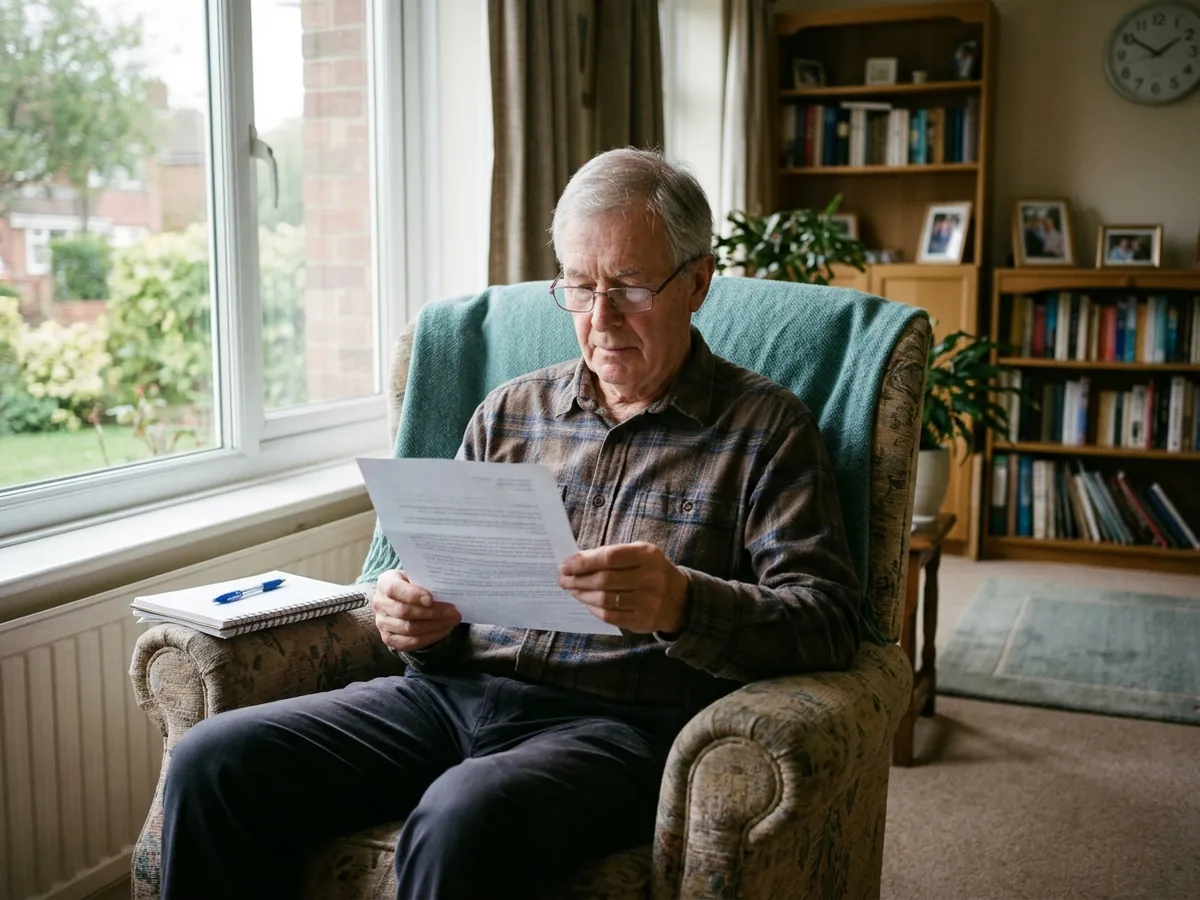
These are examples, not real families. Photos are illustrations created for this page.
If the answer was no, or you are getting ready
Help preparing a Continuing Healthcare case.
Gathering the evidence for a Continuing Healthcare review is slow, careful work. We make that work smaller. You stay in charge of the case, and the risk of a no stays with you, so we are clear about what we do and what we do not.
What you get
We read the records you upload and show you, page by page, what they already evidence and where they say little.
We draft the letter asking the NHS to look again, and the next step if the answer is still no.
You see every quotation and page number we rely on, so you can check it yourself.
The Care Circle app for your family, with no end date.
One price
£499
That is the whole price, and nothing is added at the end.
We prepare. We do not submit anything and we do not represent you. You send it, and the integrated care board decides.
We are not a law firm, and there is no regulator for this market. We are not part of the NHS.